
Strategic Storytelling
Organizations | Practical Guides | Events | Education | Resources
Telling stories — about real people — narrated by organizations.
Instrumentalized storytelling | Impact storytelling
The Storytelling Boom led to a new area of communications work: strategic storytelling.
Strategic storytelling is the practice of telling personal stories — about real people — to communicate information for an organization.
the story is about the life of a real person — either a member of the organization or a beneficiary of its activities
the story is narrated by the organization
the story is told by the subject (first-person) or by a spokesperson of the organization (third-person)
the story benefits the organization (generating ethical concerns)
Strategic storytelling is in service to a strategic plan, which impacts the narration of the stories.
Organizations


IMIX
A UK nonprofit supporting the migration and refugee sector to communicate with confidence, clarity and care.
International Resource for Impact and Storytelling (IRIS)
IRIS’ story-centered initiatives build networks and gathering spaces internationally to exchange knowledge, share strategy and build skills in storytelling and narrative shift to benefit communities.
StoryCenter
StoryCenter is an innovative participatory media organization committed to the power of personal narratives for equity, wellness and social action.
Practical Guides

Ethical Storytelling Principles
Principles informed by Voice of Witness’ experience conducting ethics-driven oral history.
RadComms Resource Directory
A rich list of resources for communicators.
Stories Worth Telling: A Guide to Strategic and Sustainable Nonprofit Storytelling
Published by Georgetown University’s Center for Social Impact Communication.
Storytelling with Impact
Published by IMIX, for social change organizations
Events
frank
Center for Public Interest Communications at University of Florida
A conference connecting communicators, scholars, storytellers and activists working to build the world we wish existed.
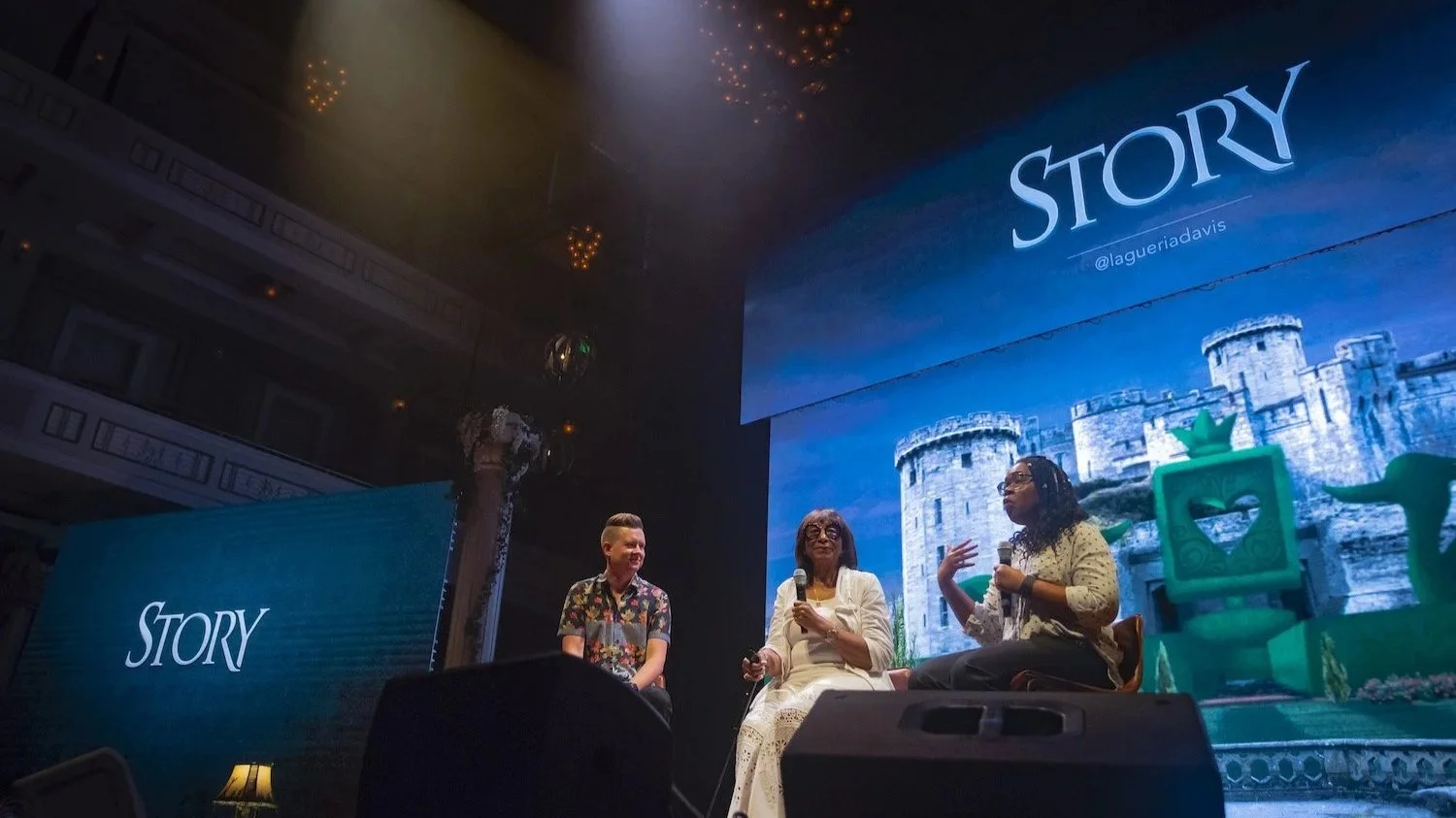
Story
STORY is a global gathering of creators, leaders and change-makers working in a variety of industries to shift narrative sand shape the future by telling stories that matter.
Education
Online Certificate in Social Impact Storytelling
Center for Social Impact Communication at Georgetown University
Resources
By Academics
By Practitioners
Fernandes, Sujatha
Curated Stories: The Uses and Misuses of Storytelling, 2017.
Mäkelä, Maria and Hanna Meretoja
Critical Approaches to the Storytelling Boom, 2022.
Polletta, Francesca, Tania DoCarmo, Kelly Marie Ward and Jessica Callahan
Personal Storytelling in Professionalized Social Movements, 2021.
Shuman, Amy
Other People’s Stories: Entitlement Claims and the Critique of Empathy, 2005.
Squire, Corinne (Ed)
Stories Changing Lives: Narratives and Paths toward Social Change, 2020.
Matthews, Shanelle and Marzena Zukowska
Liberation Stories: Building Narrative Power for 21st Century Social Movements, 2025.
Namiba, Angelina, Charity Nyirenda, Memory Sacbhikonye, Rebecca Mbewe and Winnie Ssanyu Sseruma
Our Stories Told By Us: Celebrating the African Contribution to the UK/HIV Response, 2023.