
Narrative Theory
So, you want to learn about narrative?
The best thing about studying narrative is — anyone can do it.
You already know what a story is — you’ve been hearing them since you were a toddler. And while The Cat in the Hat isn’t the same as Anna Karenina, the basic components are there: you’ve got characters, then stuff happens, tension builds… and it all gets resolved at the end. And you don’t need to be a reader: narrative theory is the same whether the story is a book or a movie.
And… you have the only equipment you need: your brain. Want to test a theory? Just read a story — your lab is your brain!
But… narrative theory uses a lot of jargon — and it can get pretty mind-bendy. Most of the texts are written for academics, and they can feel inaccessible, but there are authors who are also trying to speak to the everyday person.
Try some of these to stir your curiosity:
Curious Worldview Podcast’s episode “The Absolute Wonder of Stories & What They Teach Us” is an interview with Angus Fletcher that includes a helpful overview on narrative theory and how it has evolved.
The Project Narrative podcast features narrative theorists discussing a text; pick an episode with a text you know and listen to the way narrative theorists talk about the story.
Wonderworks: Literary Invention and the Science of Stories by Angus Fletcher is written for someone with no background in narrative, walking you through the theory and science behind stories you know — like Alice in Wonderland and I Know Why the Caged Bird Sings.
Chapter 3 of The Knowledge Illusion by Steven Sloman and Philip Fernbach, “How We Think” is a great intro to how stories relate to the way we think.
Or — jump straight to some beginner texts, before exploring the foundational and common reference texts.
Beginner Texts
Start here if you’re not an academic or you’re completely new to narrative.
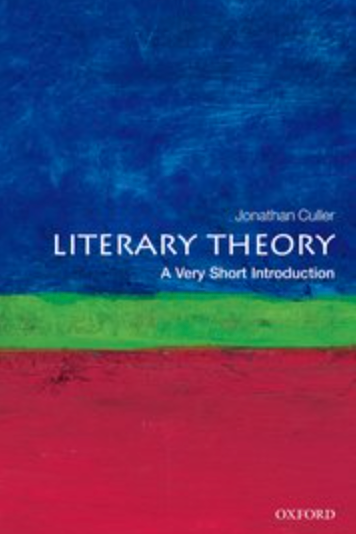
Literary Theory: A Very Short Introduction by Jonathan Culler.
This tiny book is great for someone new to literary theory…. even knew to theory. The progression from “What is theory?”, to “What is literature?” and then “Narrative” is really helpful for someone new.
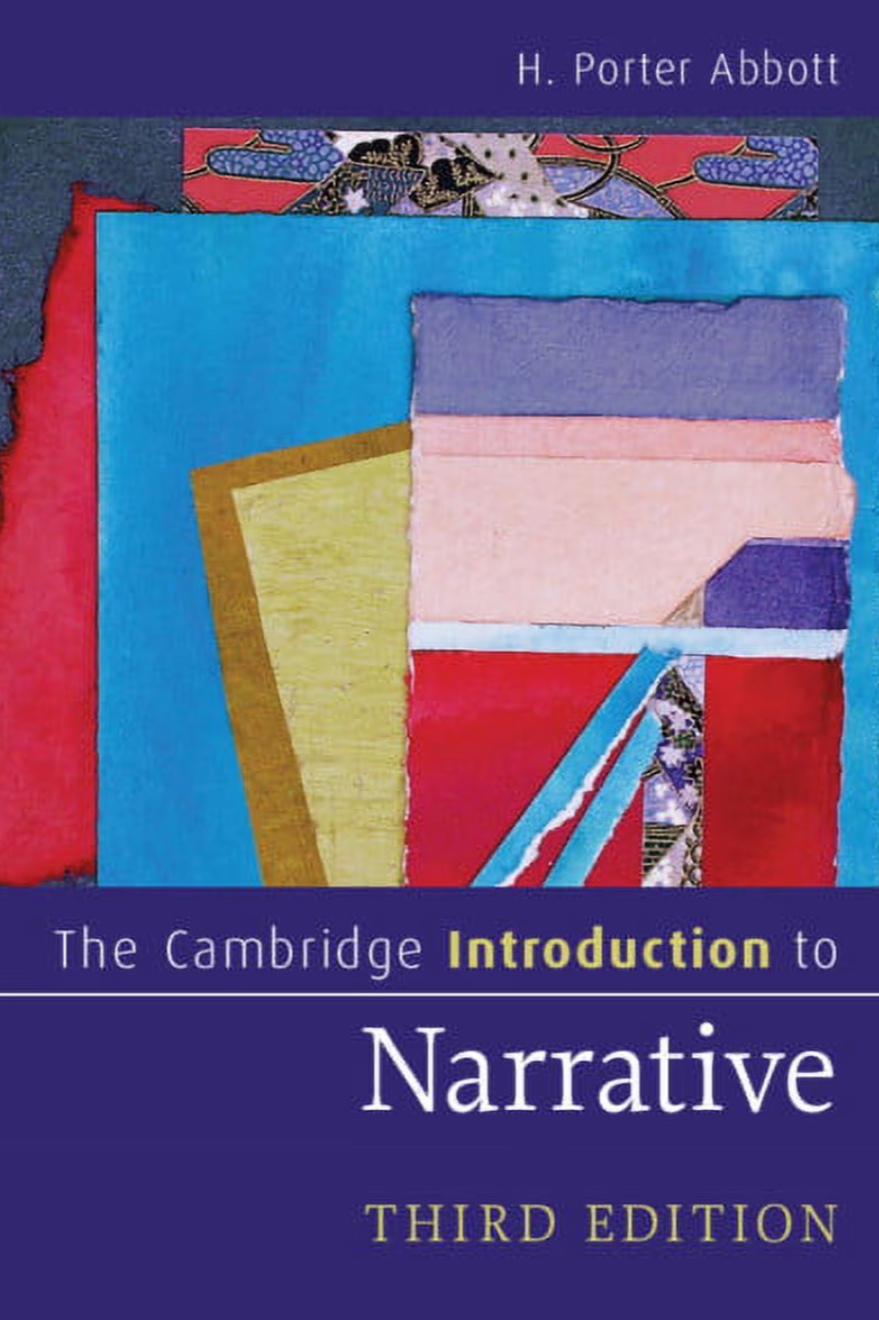
The Cambridge Introduction to Narrative by H. Porter Abbott.
Start at the basics, and explore narrative topics that progressively build on one another.
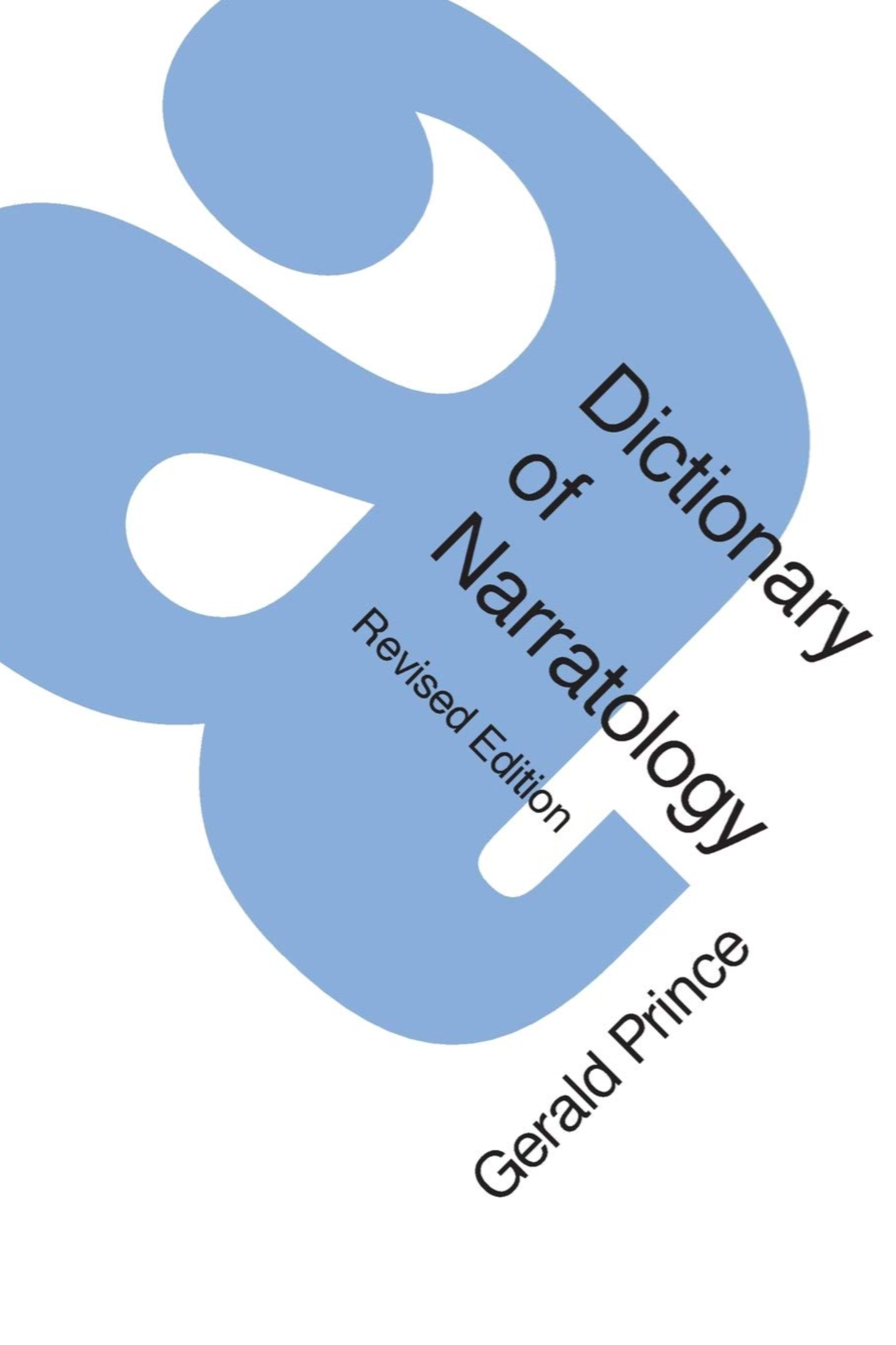
Dictionary of Narratology by Gerald Prince.
You’re going to need a dictionary, and this one isn’t overwhelming while giving you the definitions you need.
Narratology by Genevieve Liveley.
This book covers a history of the study of narrative — not necessary for learning narrative theory but it does help wrap your mind around how the study has evolved.
Popular Narrative Theory Texts
Written for an academic audience, but not inaccessible if you’re not an academic.
SEARCH: Click on the icon in the top right corner.
SORT/FILTER: Click on the column heading for the dropdown menu.
COLUMN WIDTH: In the header, hover your cursor between columns.
EXPAND: Click on the cell; click on the arrows icon.
Search here.

Foundational Narrative Theory Texts
These are the texts you’ll see referenced a lot by others. They are written for academics and formed knowledge that others built on, so they usually focus on a specific topic and further a specific argument about that topic.
SEARCH: Click on the icon in the top right corner.
SORT/FILTER: Click on the column heading for the dropdown menu.
COLUMN WIDTH: Hover your cursor between column headers.
EXPAND: Click on the cell; click on the arrows icon.
Search here.