
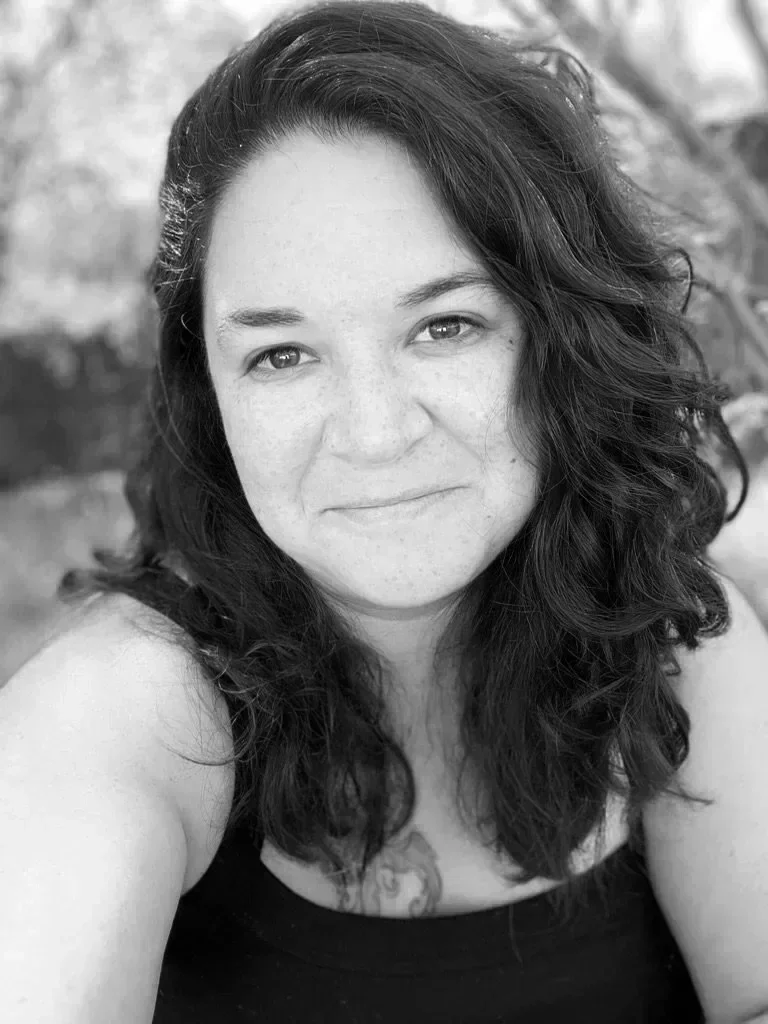
Helping Adoptees Reclaim Their Agency and Power
— Shannon Quist
I am an advocate for adoptees: not for adoption — but for adoptees.
When someone is adopted it sets their life on a path that will include certain challenges specific to being an adoptee. From the moment they find out they were adopted, they will have two families — their adoptive family and their biological family — whether or not they meet them both. Their life has already had two paths — the one they are living and the one they would have lived if they hadn’t been adopted. Before they’ve even begun to make their own choices about their own life, they’re already living an alternate life. And while other children are asked “what do you want to be?”, adoptees are told what they are — you are lucky, you are special, you were rescued — even if they don’t feel lucky, special or rescued.
I certainly experienced this: I am an adoptee, too. And there’s certainly nothing inherently wrong with a story like that — it can be a very soothing story — but the problem is that it’s not necessarily the adoptee’s story. It might not be how they see themselves and their place in the world. It might contradict how they’ve experienced the world. And sometimes it is how they see themselves — but it’s not all of how they see themselves. Adoptee experiences often include grief, confusion, and loneliness — but the stories they are told about themselves don’t often make room for those experiences.
For the last four years I have been working with adoptees through Adoption Knowledge Affiliates, a nonprofit in Texas that supports the adoptee community through education. I work with adoptees who are impacted by the dissonance between their personal experience and the story they have been told about their own life. When you’re in that situation it’s natural to try to find the “right” story — but the truth is there might not be one “right” story. And there doesn’t have to be only one story — it’s possible for multiple stories to co-exist when you think about your identity.
So, I help them write a life story — their life story — and this time they are the narrator, not their parents, or society, or the adoption community.
They describe the events that were important to them, how they felt, and what happened next. The objective of the work is that they develop a story about their life — that includes their adoption — that incorporates all of their experiences and emotions about who they are, what they have experienced and what their future looks like to them.
The work I do with adoptees is to help them address some of the negative feelings they might have because their life story has been told to them, and they haven’t been given much agency in determining their own life story. I help them write a memoir — a story about their life — but they are the narrator, not society or their adoptive parents. They have to describe the events that were important to them, how they felt, and what happened next. The objective of the work is that they develop a story about their life — that includes their adoption — that incorporates all of their experiences and emotions about who they are, what they have experienced and what their future looks like to them.
This task looks from the outside like it’s pretty simple — life writing. But there is an element of it that is a bit more complex. When someone has such a strong internal sense of diversion in their life story, essentially have two worlds that simultaneously exist in one story. In narrative theory that’s called “possible worlds theory” – basically, the idea that there can be multiple “worlds” in one story. And when you are experiencing it, it can feel very confusing, and as though you have to choose one. But when you look at that phenomenon when critiquing a story, it’s a different experience.
In the summer of 2026 I attended a conference for The Alliance for the Study of Adoption & Culture in the UK and presented a paper about rhetorical power valuation in common language use about adoption: “real” as in your real mom vs your adoptive mom. This language choice is a rhetorical power valuation – intentional or not – that splits an adoptee’s life in two: their “real” life and their adoptive life. It makes it really hard for an adoptee who now has to figure out how to integrate the two, or communicate to the rest of the world that there aren’t two worlds, just one. “The Rhetorical Use of “Real” in Adoption Discourse”.
My presentation went really well – this was a new idea that a lot of people could see how it could impact their work, whether they were focused on law, or therapy etc. And while it was a new idea to this group, this was a very basic narrative critique of language in stories about adoption.
In addition to being an advocate for adoptees, I am also an academic: I have been studying narrative since 2017 and I teach literature at Texas Women’s University. I did my Masters in English, Writing and Rhetoric and I was really interested in “possible worlds theory” – basically, the idea that there can be multiple “worlds” in one story. Because that really aligned with how I experienced the world as an adoptee. There was a world that I lived in, that everyone around me shared with me, but I had another world too, where I had a different set of parents – just that I had never met them. The fact that I didn’t see them didn’t make their existence any less real to me, or my relationship with them any less real. Possible worlds theory put words to something I had experienced.
Be an adoptee – you live this experience. Narrative theory provides a framework for understanding it, so that you can change it. If you look at someone’s story as a narrative text, then analyze it using tools and theories from narrative theory, you can identify similarities across adoptee stories. Discussing it with other activists using narrative theory language is a really helpful tool to describe it in a way that is productive.